
A First-of-its-Kind Arts on Prescription Pilot within an Older Adult Residential Community
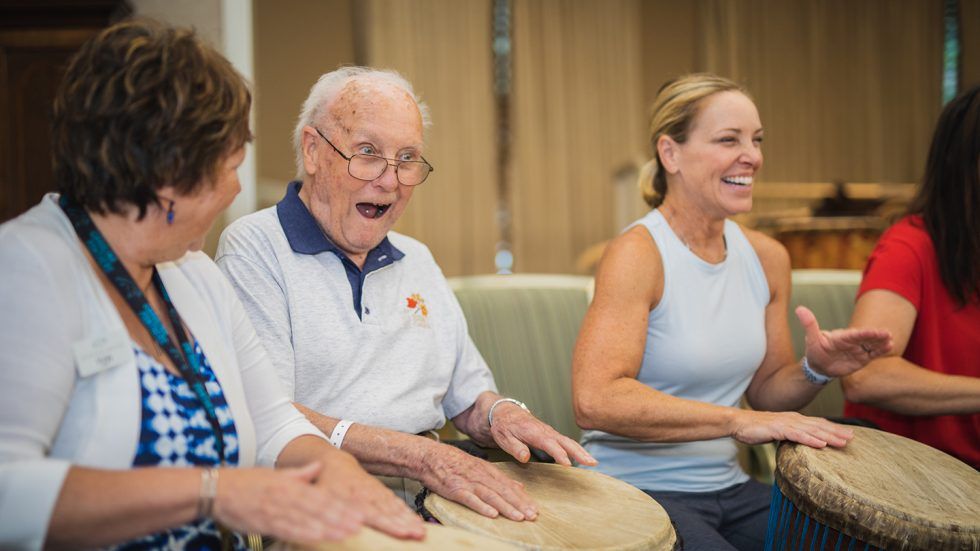
What if creativity were part of your healthcare?
At Southminster in Charlotte, NC, a groundbreaking new initiative is exploring exactly that. In partnership with Lifetime Arts and Wake Forest University, Southminster—a Life Plan or Continuing Care Retirement Community—is launching Creative Health @ Southminster. This innovative pilot connects older adult residents to evidence-based arts and music programs held on campus through a structured referral system of health and wellness infrastructure.
This project builds on a growing global movement recognizing that participation in the arts can improve mental health, reduce loneliness, strengthen cognitive function, and foster deeper social connection, while likely reducing overall costs of care. By integrating creative aging into a community’s care model, this initiative reimagines what it means to support healthy aging—treating creativity not as an extra, but as essential.
While rooted at Southminster, the vision is much bigger: to develop a scalable, evidence-based model that can be replicated in communities nationwide.
Creative Aging on Prescription’s Goals
Integrate Arts into Health Systems
Develop and pilot a referral process that allows clinicians and staff to connect residents directly to creative aging programs.

Improve Health + Well-Being
Support measurable outcomes in cognitive function, mood, physical health, and social connection through sustained arts participation.

Build Staff + Community Capacity
Train healthcare providers, program staff, and teaching artists in evidence-based creative aging practices.

Generate Research + Insights
Track participation and outcomes to better understand how arts engagement impacts individual and community health.

Create A National Model
Develop a practical toolkit and share findings widely so other communities can adopt and adapt this approach.
Together, these goals position the project not just as a program—but as a systems-level innovation in how we care for older adults.
Why Arts on Prescription Now?
Across the country, communities are searching for new ways to address social isolation, cognitive decline, and the rising demand for holistic approaches to aging.
At the same time, research continues to show that the arts are a powerful, underutilized tool for health. The “arts on prescription” movement—already gaining traction internationally—is beginning to take hold in the United States, offering a new framework for connecting people to creative experiences that support well-being.
Creative Aging on Prescription arrives at a pivotal moment:
- Healthcare systems are shifting toward preventative, whole-person care
- Older adults are seeking purpose, connection, and lifelong learning
- Communities are recognizing the arts as a public health resource
This project brings those trends together—transforming creative aging from a programmatic offering into a core component of care.
Project Team + Structure
This initiative is powered by a unique collaboration across sectors, combining expertise in arts, health, research, and community engagement.

Southminster
As the pilot site, Southminster is leading the way in redefining resident-centered care—integrating creative aging into its existing health and wellness systems and helping shape a model for others to follow.

Lifetime Arts
A national leader in creative aging, Lifetime Arts brings deep expertise in training, program design, and systems-level integration. Since 2008, the organization has helped build the field—training thousands of professionals and expanding access to high-quality arts programs for older adults across the country.

Wake Forest University
Researchers and faculty from Wake Forest University contribute rigorous evaluation and design, ensuring the project is grounded in evidence and capable of generating meaningful, shareable insights about health outcomes and impact.
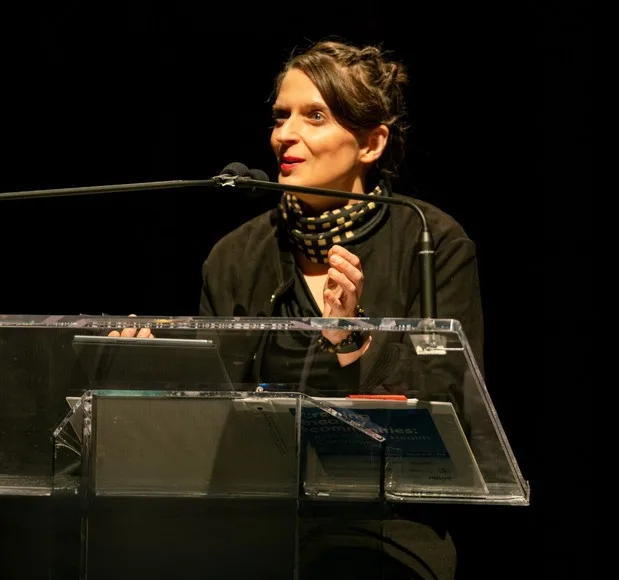
Dr. Tasha Golden, Senior Advisor
A leading voice in the arts and health movement, Dr. Golden provides national expertise in “arts on prescription” models and supports the project’s research and innovation.
Creative Aging Network–NC (CAN-NC)
As a local partner, CAN-NC strengthens community connections and ensures the work is rooted in regional knowledge and practice.
How It Works
- Residents are referred to multi-week creative aging programs (such as visual arts, music, or storytelling)
- Programs are led by trained teaching artists and designed for meaningful participation
- Staff and clinicians receive training to support referrals and track outcomes
- Participation and health impacts are documented and analyzed over time
Integrating Creative Aging into Systems of Care
Creative Aging on Prescription represents a bold step forward in how we think about aging, health, and community.
At Lifetime Arts, we believe that creativity is not a luxury—it’s a vital part of well-being at every stage of life. This project demonstrates what’s possible when the arts are fully integrated into systems of care: stronger communities, healthier individuals, and a more expansive vision of aging itself.
As this work unfolds, it will generate tools, research, and real-world examples that can inspire and guide communities across the country.
The future of healthy aging is creative—and it’s already taking shape.