
We’re not just in this because we love art. We’re here because making art together is transformative for our health.
If you’re reading this, you might already sense that creating art is beneficial—but not everyone shares that belief. If you need help convincing others about the power of creative aging, we’ve got your back!
Research that Makes the Case for Creative Aging
Groundbreaking studies continue to demonstrate the positive impact of creative aging on health and well-being:
The Impact of Professionally Conducted Cultural Programs…
Dr. Gene D. Cohen et al.
This pivotal study revealed that older adults in creative programs had better physical health, fewer doctor visits, and improved mental health compared to those not participating.
What is the Evidence on the Role of the Arts in Improving Health and Well-being?
Daisy Fancourt and Saoirse Finn
This review examined the relationship between arts engagement and well-being, showing how activities like dance and music improve cognitive function, mental health, and social inclusion.
Arts on Prescription: A Field Guide for U.S. Communities
Jill Sonke et al.
This recorded webinar offers a roadmap for communities to develop programs that formally integrate arts, culture, and nature resources into local health and social care systems.
Group Arts Interventions for Depression and Anxiety Among Older Adults: A Systematic Review and Meta-Analysis
Elizabeth A. Quinn et al.
A review of nearly 40 studies found that group arts activities—like dancing or painting—can significantly reduce depression and anxiety in older adults, especially in care homes.
Funding Resources that Make the Case for Creative Aging
Free, practical tools and resources are equally important in communicating the benefits of creative aging to potential funders:
POLICY BRIEF
Creative Aging in the Healthy Aging Ecosystem
Gretchen Alkema, PhD, president of Wolf Eagle Enterprises, LLC
This policy brief lays out a bold, evidence-based case for embedding creative aging in America’s healthy aging agenda—highlighting its impact on brain health, social connectedness, and livable communities, and offering clear policy recommendations for cross-sector leaders.
MESSAGING GUIDEBOOK
Expanding the Circle: Practical Strategies to Build Support for Creative Aging
Liza Cucco, Director of External Affairs, Lifetime Arts
This practical guide is designed to help state and local leaders, agencies, advocates, and community partners make a strong, evidence-based case for creative aging as part of healthy aging policy and practice.
FUNDING GUIDES
Funding For Creative Aging Practical Guides
Daniela Dale Velez, Institutional Giving Manager, Lifetime Arts
These two guides were created to help community organizations and teaching artists secure the resources, networking, funding, and field insights needed to launch and sustain creative aging programs.
ONE-PAGER
Creative Aging & AARP’s 8 Domains of Livability
AARP & Lifetime Arts
The AARP Network of Age-Friendly States and Communities organizes its work around eight domains of livability. Because creative aging operates at the intersection of health, culture, and community life, it contributes meaningfully across all eight domains.
By incorporating creative aging programs into multi-sector healthy aging plans, we can support the full well-being of older adults. Health organizations, policymakers, and community planners must recognize and integrate these initiatives, bringing the transformative power of the arts to more people.
Creative Aging: A Powerful Health Intervention
Creative aging is more than just a fun activity—it’s essential to the holistic well-being of older adults. Research demonstrates that participation in these programs enhances mental, physical, and social health.
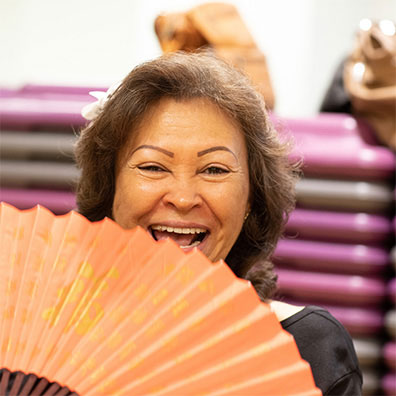
Mental Benefits
Creative aging programs have been shown to reduce depression and anxiety, while also improving cognitive function and life satisfaction. For example, a study by the National Endowment for the Arts found that older adults in weekly arts classes experienced enhanced psychological resilience and cognitive performance.
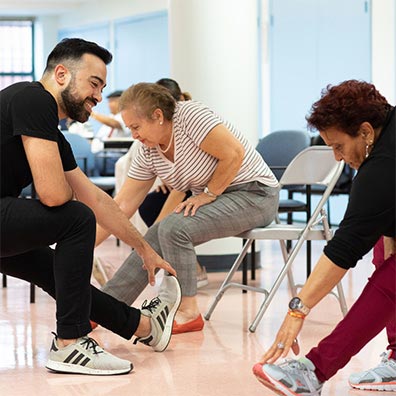
Physical Benefits
In addition to mental health, creative aging also supports physical health. A 2019 World Health Organization (WHO) review highlighted that arts interventions help prevent and manage conditions like cardiovascular disease and frailty, while also improving mobility and reducing chronic pain.
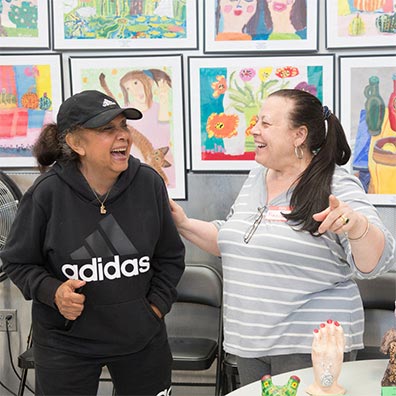
Social Benefits
Artistic activities foster meaningful connections. By creating and sharing art, older adults build new relationships and strengthen their social networks, reducing isolation and loneliness. The Aging and Health Research Center reports that social participation through the arts plays a crucial role in building community and deepening ties.